Blog
From Compliance Burden to Strategic Advantage: The Next Phase of ESG Leadership
02 Sep 2026

Most companies even today treated ESG as an annual reporting task. The sustainability team collected the numbers, the compliance team checked them, and the report went to the regulator, after a once-over by the board. That process is changing. Regulators are asking for more information, investors are looking more closely at ESG numbers, and customers want companies to follow through on their claims.
This note covers three things. It looks at how ESG reporting rules are becoming stricter, why boards need to take a closer look at ESG work, and how companies can use the ESG data they already collect for business improvement.
Good governance helps make sure ESG work has clear responsibility and regular checks. Good use of ESG data can also help companies spot issues with energy use, employees, safety, and suppliers before they become bigger problems.
Taken together, ESG compliance can take companies from mere annual compliance to improving regular business decisions and better governance.
ESG Is Outgrowing the Checklist
ESG reporting is changing faster than many companies expected. India’s BRSR framework has moved to BRSR Core, bringing tighter data requirements and more stringent and independent checks (reasonable assurance) on reported numbers. Companies that built their ESG process around older rules can find themselves rushing to adjust.
The bigger issue is how ESG work is handled inside the company. In many cases, a small team manages ESG with little connection to finance, operations, HR, purchasing, or senior leaders. As a result, important ESG data can sit across different teams and reach the board only during reporting time.
A better approach is to make ESG part of the work these teams already do. Sales, purchasing, HR, and operations may already hold important information on employees, suppliers, energy use, safety, and other areas. When teams manage this data in their regular work, companies can bring it together, improve data quality, and reduce the last-minute reporting rush.
This also gives the board a clearer view of ESG performance throughout the year, rather than once during reporting season.
Why Governance and Sustainability Move Together
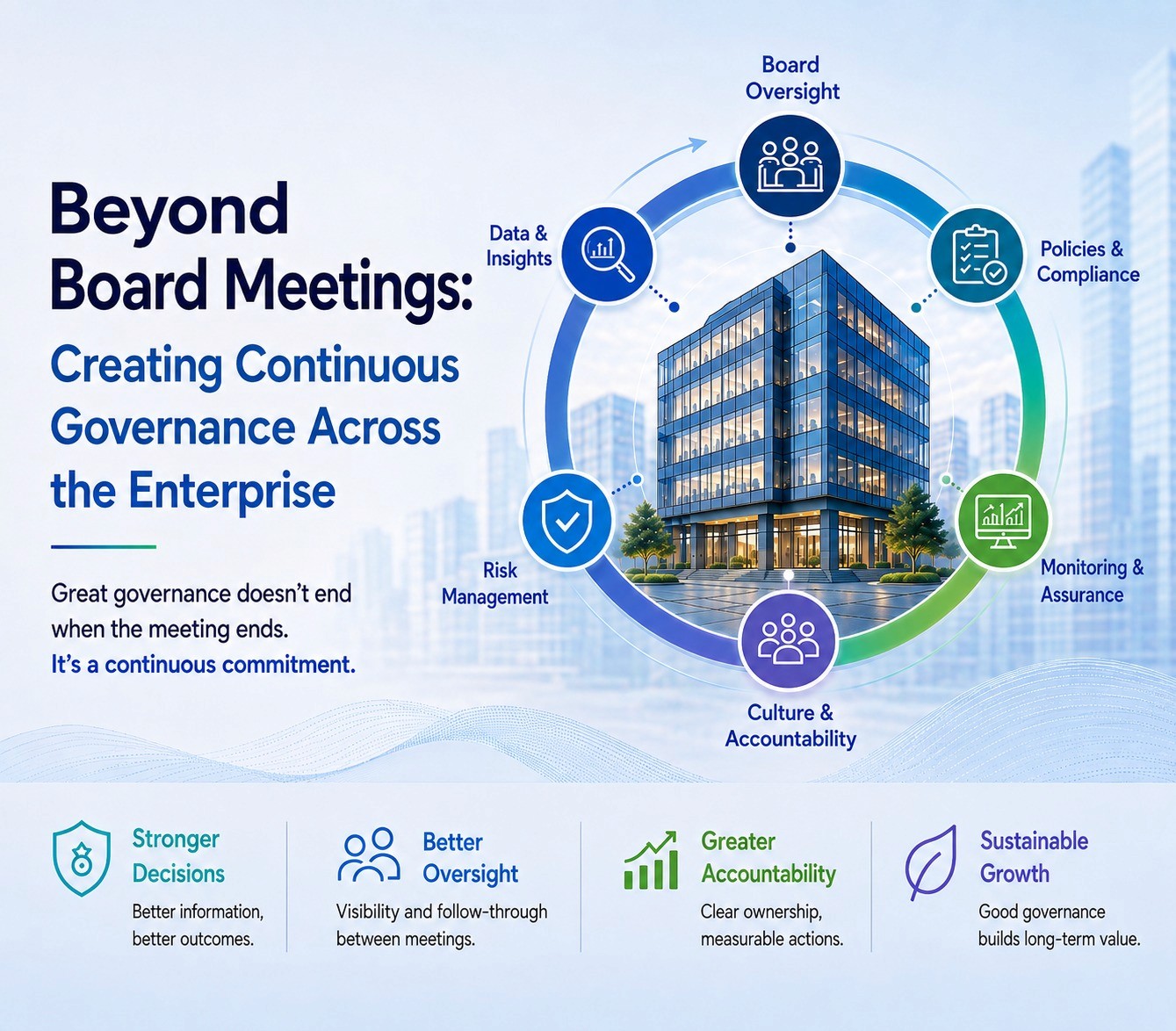
Good governance helps turn ESG goals into work that actually gets done. Without clear responsibility, independent board oversight, and reliable reporting, ESG goals can easily get pushed aside.
This becomes a problem when governance and sustainability are handled separately. ESG targets may be set, but nobody clearly owns them. When the board reviews these targets along with other business goals, it can ask what went wrong, why a target was missed, and what needs to change. It can also spot risks earlier and check progress through the year.
A missed ESG target can also tell the board something about the way the business is being run. If energy use keeps rising, employee turnover stays high, or a supplier keeps failing safety checks, the issue may need more than a new ESG target. The board may need to ask who is responsible, whether the current plan is working, and whether more people or money are needed to fix it.
That makes ESG part of the board’s regular work, rather than something that appears mainly / merely in the yearly report.
Turning ESG Data Into Business Decisions
Most companies collect ESG data but use much of it only for reporting. Emissions, energy use, staff turnover, safety incidents, and supplier checks often sit in separate spreadsheets.
That data can also help companies find problems in the business. Higher energy costs at one location can show where they need to be managed better. Higher staff turnover in one team can point to a problem with that team. Supplier checks can show which suppliers have better safety records and lower energy use. It can also help companies plan for risks and identify suppliers that are more reliable on cost and delivery.
Companies can use these inputs when deciding what needs fixing, where money needs to be spent, and which suppliers to work with. This gives ESG data a clear business use beyond the yearly report.
Conclusion
ESG can be part of regular business management. Companies need clear responsibility for ESG goals, useful data to support decisions, and boards that keep track of progress. That makes ESG easier to manage through the year instead of rushing to put everything together for the annual report.
The next note will focus on what investors look for beyond ESG filings and how companies can prepare for changing reporting rules. Axar Digital works across insider trading compliance, board governance, and ESG technology, helping companies bring these areas together.
FAQs
How fast are ESG rules changing for companies today?
ESG reporting rules are becoming stricter. BRSR has moved to BRSR Core, which requires more detailed data and ’reasonable assurance’ – a higher standard of external audit than mere certification by the Company Secretary. A process built for last year’s rules may need changes when new requirements come in.
How does governance connect with sustainability performance?
Governance gives ESG goals clear responsibility. The board can review targets, question missed goals, check the data, and see what needs to change.
Can ESG data help with everyday business decisions?
Yes. Data on energy use, staff turnover, safety, and suppliers can help companies find problems, decide what needs fixing, and plan where money can be saved and should be spent.
Most companies even today treated ESG as an annual reporting task. The sustainability team collected the numbers, the compliance team checked them, and the report went to the regulator, after a once-over by the board. That process is changing. Regulators are asking for more information, investors are looking more closely at ESG numbers, and customers want companies to follow through on their claims.
This note covers three things. It looks at how ESG reporting rules are becoming stricter, why boards need to take a closer look at ESG work, and how companies can use the ESG data they already collect for business improvement.
Good governance helps make sure ESG work has clear responsibility and regular checks. Good use of ESG data can also help companies spot issues with energy use, employees, safety, and suppliers before they become bigger problems.
Taken together, ESG compliance can take companies from mere annual compliance to improving regular business decisions and better governance.
ESG Is Outgrowing the Checklist
ESG reporting is changing faster than many companies expected. India’s BRSR framework has moved to BRSR Core, bringing tighter data requirements and more stringent and independent checks (reasonable assurance) on reported numbers. Companies that built their ESG process around older rules can find themselves rushing to adjust.
The bigger issue is how ESG work is handled inside the company. In many cases, a small team manages ESG with little connection to finance, operations, HR, purchasing, or senior leaders. As a result, important ESG data can sit across different teams and reach the board only during reporting time.
A better approach is to make ESG part of the work these teams already do. Sales, purchasing, HR, and operations may already hold important information on employees, suppliers, energy use, safety, and other areas. When teams manage this data in their regular work, companies can bring it together, improve data quality, and reduce the last-minute reporting rush.
This also gives the board a clearer view of ESG performance throughout the year, rather than once during reporting season.
Why Governance and Sustainability Move Together
Good governance helps turn ESG goals into work that actually gets done. Without clear responsibility, independent board oversight, and reliable reporting, ESG goals can easily get pushed aside.
This becomes a problem when governance and sustainability are handled separately. ESG targets may be set, but nobody clearly owns them. When the board reviews these targets along with other business goals, it can ask what went wrong, why a target was missed, and what needs to change. It can also spot risks earlier and check progress through the year.
A missed ESG target can also tell the board something about the way the business is being run. If energy use keeps rising, employee turnover stays high, or a supplier keeps failing safety checks, the issue may need more than a new ESG target. The board may need to ask who is responsible, whether the current plan is working, and whether more people or money are needed to fix it.
That makes ESG part of the board’s regular work, rather than something that appears mainly / merely in the yearly report.
Turning ESG Data Into Business Decisions
Most companies collect ESG data but use much of it only for reporting. Emissions, energy use, staff turnover, safety incidents, and supplier checks often sit in separate spreadsheets.
That data can also help companies find problems in the business. Higher energy costs at one location can show where they need to be managed better. Higher staff turnover in one team can point to a problem with that team. Supplier checks can show which suppliers have better safety records and lower energy use. It can also help companies plan for risks and identify suppliers that are more reliable on cost and delivery.
Companies can use these inputs when deciding what needs fixing, where money needs to be spent, and which suppliers to work with. This gives ESG data a clear business use beyond the yearly report.
Conclusion
ESG can be part of regular business management. Companies need clear responsibility for ESG goals, useful data to support decisions, and boards that keep track of progress. That makes ESG easier to manage through the year instead of rushing to put everything together for the annual report.
The next note will focus on what investors look for beyond ESG filings and how companies can prepare for changing reporting rules. Axar Digital works across insider trading compliance, board governance, and ESG technology, helping companies bring these areas together.
FAQs
How fast are ESG rules changing for companies today?
ESG reporting rules are becoming stricter. BRSR has moved to BRSR Core, which requires more detailed data and ’reasonable assurance’ – a higher standard of external audit than mere certification by the Company Secretary. A process built for last year’s rules may need changes when new requirements come in.
How does governance connect with sustainability performance?
Governance gives ESG goals clear responsibility. The board can review targets, question missed goals, check the data, and see what needs to change.
Can ESG data help with everyday business decisions?
Yes. Data on energy use, staff turnover, safety, and suppliers can help companies find problems, decide what needs fixing, and plan where money can be saved and should be spent.